The first 72 hours with your new Puppy

Bringing home a brand-new puppy is one of the most exciting days of your life, but let’s be honest, it can also feel pretty overwhelming. For your little fur bundle, everything they have ever known has suddenly vanished. Their mum, their littermates, and the familiar smells of their birth home are gone, replaced by a giant new world full of unfamiliar faces and sounds.
The first 72 hours are crucial for helping your puppy feel secure and setting the foundation for a confident, calm adult dog. Drawing from leading expert advice across top UK animal welfare organisations (including the RSPCA, Dogs Trust, PDSA, and Pets at Home), here is your step-by-step guide to surviving and enjoying your first three days together.

Day 1: Low Energy, Big Comfort
Your main goal on day one isn't teaching fancy tricks or showing your pup off to the neighbours. It is helping them realise that you are their safe space.
1. Keep the Welcome Quiet
When you bring your puppy inside, resist the urge to invite family over or throw a big welcoming party. Keep things calm, quiet, and low-key.
Before heading indoors, take them straight to the designated spot in your garden where you would like them to go to the toilet. Give them a few minutes to sniff around. If they go, give them quiet, gentle praise. If not, do not worry, bring them inside and try again shortly.
2. Set Up a Safety Den
Limit your puppy’s access to the whole house right away, as a giant living room can feel intimidating to a small pup. Instead, set up a small, safe area like a playpen or a comfortable crate with the door left open.
Place a blanket in their bed that smells like their mum, as most breeders or rescue centres will provide one. This familiar scent acts as a huge natural stress-reliever. Use baby gates to section off rooms you do not want them exploring yet.
3. Stick Strictly to Their Routine
Avoid changing their food on day one. Digestion is sensitive to stress, so stick exactly to the diet, portion size, and feeding times recommended by their breeder or rescue centre. Young puppies typically need three to four small meals a day to keep their energy steady.
4. Microchip and Tag Double Check
UK law requires all dogs to be microchipped and wear an ID tag with your contact details in public. Make sure you update the microchip database with your details immediately, and ensure their collar and tag are fitted comfortably before they set foot in your garden.
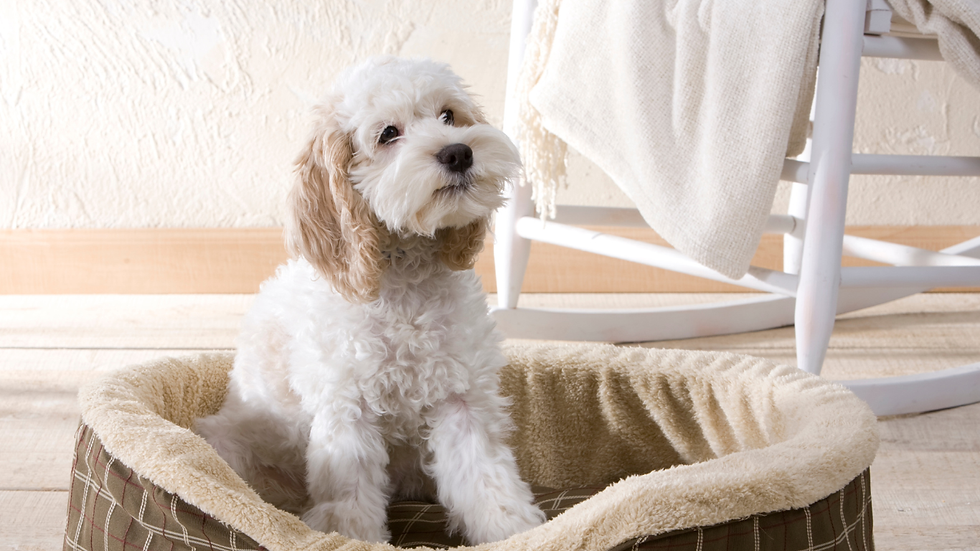
The First Night: Managing the Night time Whimpers with a new puppy
Night one is often the hardest part for new puppy parents. It is completely normal for a young dog to cry or whimper when left alone in the dark for the very first time.
Leading behaviour experts from the PDSA and Dogs Trust strongly advise against letting a puppy "cry it out." Leaving them alone to panic can create long-term separation anxiety.
For the first few nights, place their bed or crate in your bedroom, or sleep on the sofa next to their setup in the living room. Knowing you are nearby stops them from feeling abandoned. If they whine, speak softly to them or offer a gentle stroke. You are not rewarding bad behaviour; you are comforting a frightened infant.
Puppies have tiny bladders, so set a gentle alarm to take them outside once or twice during the night without making a big fuss or turning on bright lights.
Day 2: Building Trust and Setting Boundaries
By the second day, your puppy will likely start coming out of their shell. They might seem bolder, more curious, and ready to explore.
1. Start Reward-Based Toilet Training
Accidents will happen, as it is simply part of the process. Never scold or punish a puppy for an accident inside, as this only teaches them to be afraid of going to the toilet in front of you.
Instead, take them outside continuously as soon as they wake up from a nap, immediately after eating or drinking, right after a bout of play, and every 30 to 45 minutes during quiet time. When they go outside, reward them with a tiny treat and enthusiastic praise the second they finish.
2. Master the Power of Naps
Puppies need an astounding 18 to 20 hours of sleep every day to support their growing brains and bodies. An over-tired puppy often transforms into a "land shark" through nipping, barking, and zooming around uncontrollably.
When you notice them getting overstimulated, gently guide them back to their quiet den area with a soft toy or a safe chew for a restful nap.
3. Introduce the Consent Test for Handling
Teach family members, especially children, how to interact respectfully. Use the three second rule: pet the puppy gently on the side for three seconds, then pull your hand back. If the puppy steps toward you or nudges your hand, they want more affection. If they look away or move off, give them space.
Day 3: Gentle Exploration & Brain Games for a new puppy
By day three, your puppy is starting to realize that this new place is home. Now you can slowly introduce structured, gentle mental stimulation.
1. Swap Walkies for Brain Games
Unless your vet has confirmed your puppy is fully vaccinated, they should not be walking on public ground or meeting unknown dogs yet. However, physical exercise is not the only way to tire out a puppy, and mental stimulation works twice as fast!
Try these simple indoor enrichment activities:
Lick Mats & KONGs: Licking releases feel-good endorphins in a dog's brain that naturally lower stress and promote calm.
Snuffle Mats: Let them use their nose to forage for bits of their regular kibble hidden in a snuffle mat or a rolled-up towel.
Garden "Find It": Scatter a few treats in a clean area of your garden grass and let them sniff them out.

2. Introduce Very Short Alone Time
While you want to spend plenty of time bonding, you also do not want your puppy becoming overly dependent on your side every single second.
Start practising micro-separations. Pop them in their safe area with a delicious chew or stuffed puzzle toy, step behind a baby gate or into another room for 30 seconds, and come right back before they get distressed. Slowly building this confidence early on helps prevent separation issues down the road.
3. Start Desensitisation to Daily Household Sounds
While your pup is enjoying a treat or chew, slowly introduce them to normal home noises. Run the vacuum in another room on low, play television sounds, or drop a plastic bowl gently on the kitchen counter. Pairing these new sights and sounds with high-value food prevents fear responses from developing later.
Final Thoughts
The first three days with a puppy are a whirlwind of exhaustion, cuteness, and steep learning curves. If you feel overwhelmed at any point, take a deep breath. You are not alone, and it gets easier every single day. Focus on keeping things predictable, offering plenty of comfort, and building a foundation of trust.

Comments